
Search Oshkosh Police Records
Oshkosh Police Records are easiest to find when you start with the police department itself and only move to crash reports or county support after you know which office actually holds the file. The Oshkosh Police Department makes records visible through its site, its police directory, and the city police page, so the first step is choosing the right route instead of guessing. Use the incident date, location, report number, or person name if you have it. That keeps the request focused and helps the department match the record to the right incident without wasting time on broad or unrelated searches.
Oshkosh Police Records Requests
The Oshkosh Police Department home page at Oshkosh Police Department is the best starting point for Oshkosh Police Records because the site itself highlights a Records and Reports path. The city police page at City of Oshkosh Police Department confirms that the police department is the public office to contact when you need accident reports or department records. Taken together, those pages show that police records are handled inside the police department rather than through a generic city contact center.
The department directory at Oshkosh Police Directory is the most specific local guide in the research set. It lists the Records Division, the Records Supervisor, the Records and Reports clerks, the Court Liaison Clerk, and the automated requests line at 236-5731. It also gives the department address as P.O. Box 1130, 420 Jackson Street, Oshkosh, WI 54903-1130, plus the non-emergency line at (920) 236-5700. That makes it much easier to route Oshkosh Police Records to the right staff instead of sending a vague request to the general city side.
When you prepare a request, keep it narrow and factual. Give the name, date, location, and incident type. If you have a report number, include it. If you need a status check instead of a copy, say that directly. A short, exact request helps the department decide whether the record is already available, still being processed, or better handled by a different office that shares the same incident.
- Name of the person involved
- Date or date range of the incident
- Location of the event
- Type of record you want
- Case number, if you have it
That short list helps the Records Division route Oshkosh Police Records faster. A clear request is much easier to process than a broad ask that covers several days, several places, or several unrelated incidents. If the record is a report tied to a single event, the department can usually tell much faster whether it belongs in the city police file set or somewhere else in the local records network.
Oshkosh Police Records and Public Access
The broader public-records approach matters even when you only want Oshkosh Police Records. The city police pages show that the department is not a closed system. It sits inside the city structure, but it still keeps police records on a separate track from day-to-day city service requests. That is why the police page and the department directory are so useful. They show the public where the records desk lives, what kind of detail staff need, and where the request should begin.
The best model for a well-formed request is the University of Wisconsin Oshkosh Police open-records form at UW Oshkosh Police open records. Even though that is a campus police office, it demonstrates the kind of detail that speeds up a records search: name, requested information, date of record, incident number, and email. The model matters because the same basic logic applies to Oshkosh Police Records. Staff can move much faster when the request says exactly what is being sought.
The department directory also helps by showing that records requests are not handled in a vacuum. The Records Division sits next to evidence, court liaison, and other operational support, so the public can see that police files are part of a larger records workflow. When the search is broad, or when the request needs to be refined, that structure helps keep Oshkosh Police Records sorted correctly before the file is released.
If you are comparing city and county records, the public access path becomes even clearer. City police records stay with the Oshkosh Police Department, while county law-enforcement files move through the Winnebago County Records Division. Keeping that split in mind prevents confusion when the same incident might generate more than one kind of document.
Oshkosh Police Records and Crash Reports
Crash reports have their own path in Oshkosh. The state portal at Wisconsin crash reports is the official statewide route used for collision reports, and it searches by Wisconsin DOT document number, crash number, or crash date plus driver license number. Reports are available for four years, they usually post after ten or more business days, and the completed PDF downloads after payment. That is important because a crash report is not the same thing as a general incident report, even if the same police department responded to the scene.
The Winnebago County Records Division at Winnebago County Records Division gives a useful local update for Oshkosh Police Records. The county records unit says it processes requests for police reports and other official documents when the Sheriff’s Office is the legal custodian, but it no longer processes crash reports after October 15, 2024. Crash reports now belong with the Wisconsin Department of Transportation, while the county still keeps supporting materials such as photos, body camera footage, and other incident items that may accompany a crash file.
That split is practical for a searcher. If you need the main collision report, start with the DOT portal. If you later discover that you also need supplementary material tied to the same event, the county support page helps show where those materials may live. The result is a cleaner Oshkosh Police Records search because you are not asking the wrong office for a file it no longer maintains.
For a crash-related request, have the date, location, and driver information ready. A document number is even better. That kind of detail helps you get the right file quickly and keeps your request from drifting into a broader public-record search that is not needed yet.
Oshkosh Police Records Support
The University of Wisconsin Oshkosh Police open-records form at UW Oshkosh Police open records is a useful local model because it shows the level of detail that requesters should provide. It asks for a name, the requested information, the date of record, the incident number if available, and an email address. That does not make it the city police custodian, but it does show how Wisconsin police records offices usually want a request organized.
The UW form also warns that if the office cannot determine exactly what is being sought, it may need to ask for more information and the response can take longer. That is a practical lesson for Oshkosh Police Records. A short, exact description of the event, the date, and the person or case involved will usually work better than a broad request that tries to cover everything at once.
For broader county context, the Winnebago County Records Division page at Winnebago County Records Division shows the county side of records handling around Oshkosh. It is not the custodian for city police reports, but it helps people tell city files from county files. That distinction matters if the incident also involved a sheriff response, jail material, or other county law-enforcement documentation.
Keeping the request specific is the common thread. If the file is a city police report, go to the city police department. If the file is a collision report, go to the state portal. If the file is a county police-support record, use the county records division. That simple routing keeps Oshkosh Police Records from bouncing between offices.
Oshkosh Police Records Images
The city police department page at City of Oshkosh Police Department is the best visual starting point for Oshkosh Police Records.
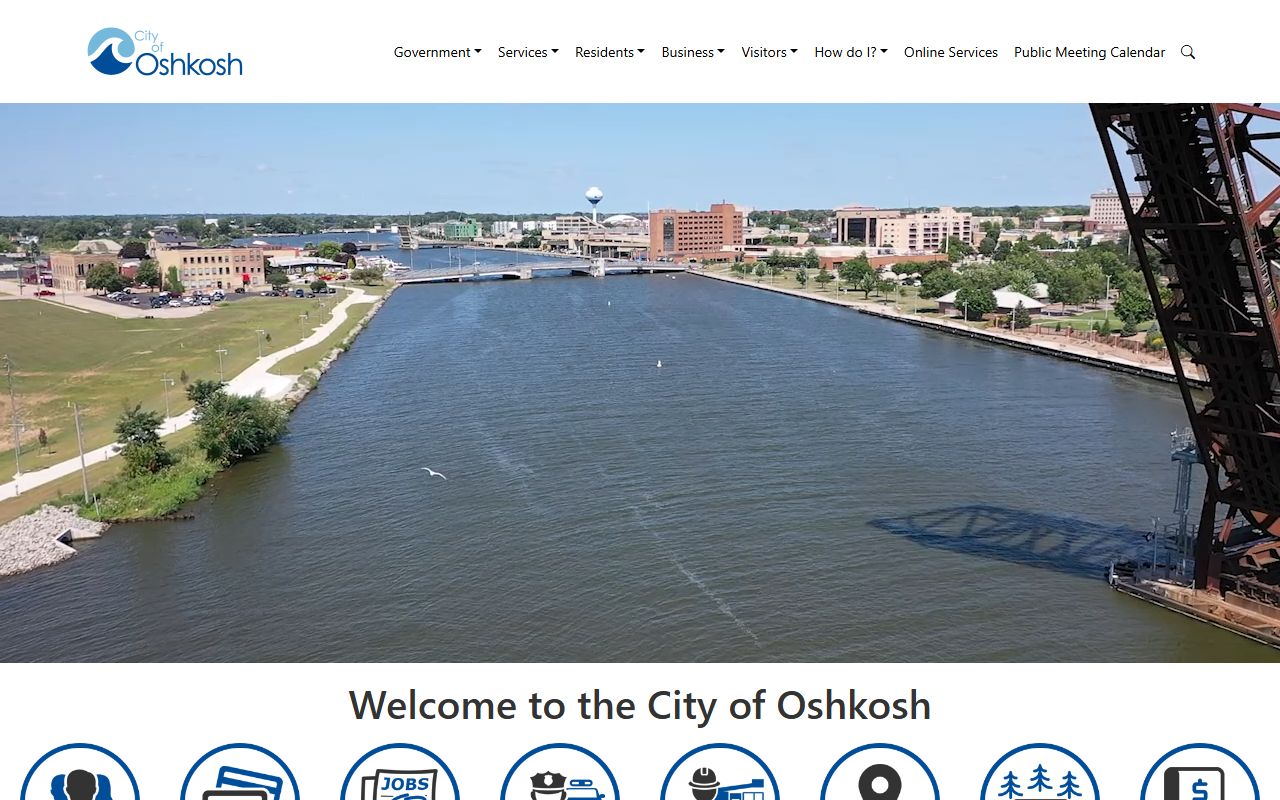
That page helps the reader see where the city places police records and crash report access inside its own website structure.
The department directory at Oshkosh Police Directory shows the records division contacts and the automated requests line.
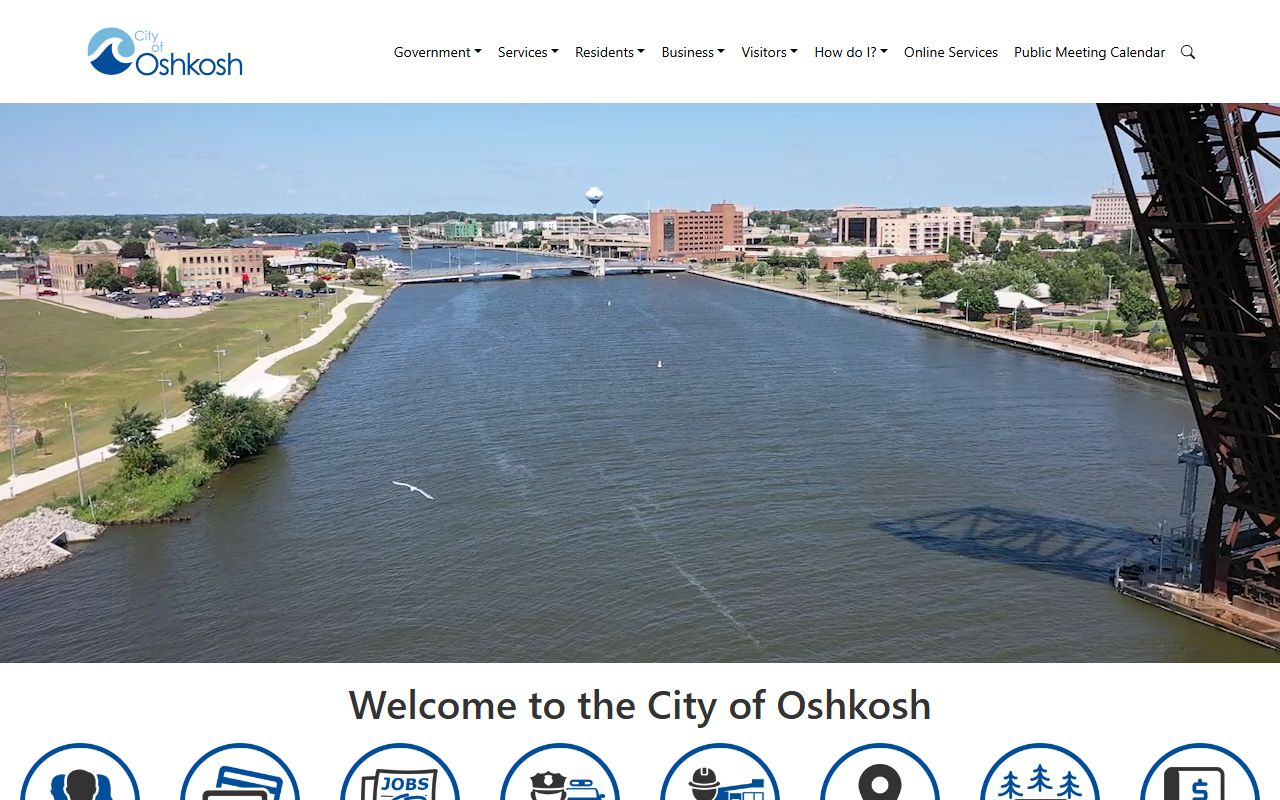
Use it as a guide to the department's records path before you send a request or ask for a crash report.
The city NextRequest portal at Oshkosh records request portal is only a routing clue and not the substantive policy source.
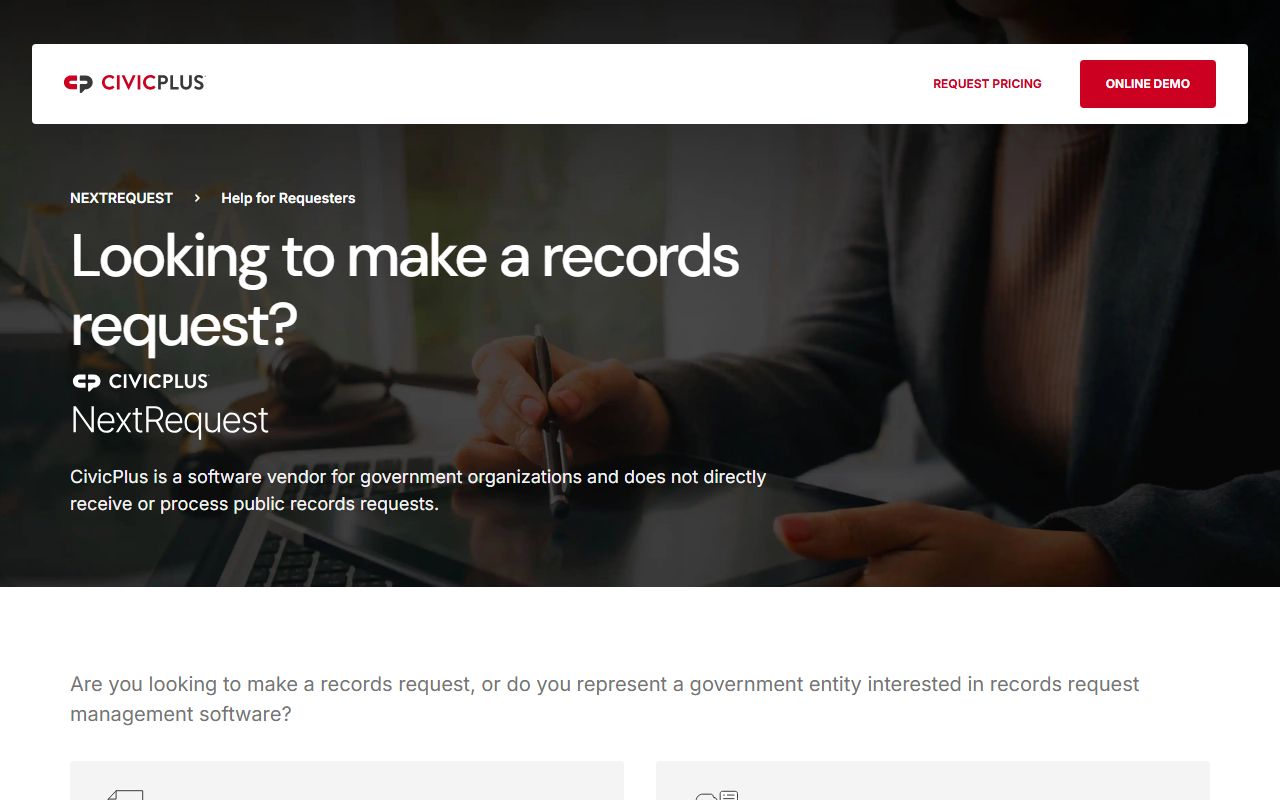
It still shows that the city has a digital intake path while the police department and city offices handle the actual records response.
Oshkosh Police Records Help
If you are unsure where to begin, choose the record type first. A police report belongs with the department records request process. A crash report belongs with the state crash portal. A county-side support item belongs with the county records division. That separation keeps Oshkosh Police Records from getting lost in the wrong system or delayed because the request went to the wrong office.
It also helps to be specific in the request itself. Use the person's name, date, location, and report number if you have one. If the incident was a crash, say that directly. If you only need to confirm whether a report exists, say so clearly. The more exact the request, the easier Oshkosh Police Records are to locate, especially when the same incident created both a city report and some separate supporting material.
The city pages, county support page, and state crash portal together give you a practical path. Start with the police department, use the police directory when you need the records desk, move to the state crash portal for collision reports, and use the county records page only when the file clearly belongs there. That is the cleanest way to handle Oshkosh Police Records.